


Meditative sounds have a transformative power that penetrates deep into the human consciousness and exerts a calming effect. Singing bowl therapy is a fascinating practice that uses these sounds to promote physical, mental, and emotional well-being. If you appreciate meditative sounds or have always wanted to learn more about the effects of singing bowl therapy , you've come to the right place.
The positive effects of singing bowl therapy are diverse—from promoting deeper sleep to increasing concentration. It's a holistic experience that combines sound, vibration, and meditation to create inner harmony.
Immerse yourself in the world of singing bowl therapy and discover how this ancient practice can revitalize your senses and improve your quality of life. Let yourself be carried away by the healing sounds and experience how singing bowl therapy can enrich your well-being. It's going to be interesting, read on!
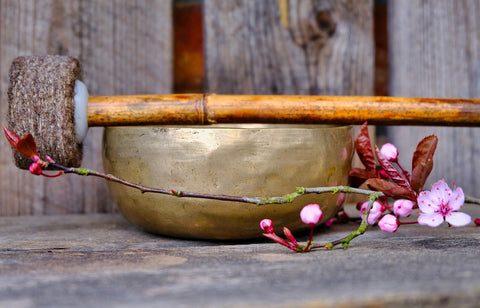
Introduction to the world of singing bowls
Singing bowls will take you on a fascinating journey through the vibrating sounds that have been used for centuries in various cultures as sources of inner peace. Sound drums , shamanic drums , and various singing bowls, are more than just musical instruments—they serve as keys to exploring hidden depths within and achieving harmonious balance. This introduction offers a comprehensive overview of the fundamentals of singing bowl therapy, which goes far beyond simply listening to sounds.
An essential component of holistic recovery is restful sleep. Only those who allow their body and mind sufficient rest periods can sustainably benefit from the positive effects of singing bowls. The calming vibrations help reduce stress and put the nervous system into a state of deep relaxation – an ideal prerequisite for healthy sleep. You can find more tips on how to improve your sleep quality here: Sleep Better .
Singing bowl therapy in detail
Singing bowl therapy in detail offers deep insight into the sophisticated nuances and mechanisms of this healing practice. Central to the therapy is the conscious use of singing bowls, which can be any type of hand drum or handpan , to harmonize body, mind, and soul. As the gentle tones spread, the bowls not only create pleasant sounds but also release vibrations that affect the cellular level. Sonodrum singing bowl therapy is unique.
A key aspect is the selection of singing bowls, which are diverse in size, shape, and material. Each bowl has its own sound signature that can be tailored to individual needs. The placement of the bowls on or around the body, such as the tongue drum from Sonodrum , is crucial for achieving targeted effects.
Singing bowl therapy integrates techniques such as striking, rubbing, or circling the bowls to create different sound effects. The combination of rhythmic beats and harmonious tones creates a unique soundscape that engages the senses and induces deep relaxation. And surprisingly, singing bowl therapy prices are very affordable.
The holistic effect of singing bowl therapy extends beyond physical relaxation and also encompasses emotional and spiritual aspects. This form of therapy creates a space for self-awareness, mindfulness, and regeneration by enveloping your body in a state of harmonious vibration. This detailed description of singing bowl therapy thus illustrates how this art not only produces sounds but also enables a transformative journey toward inner balance and well-being.
A journey through the history of singing bowl healing
The journey through the history of singing bowl healing unfolds as a fascinating chronicle that illuminates the roots of this spiritual practice across cultures and eras. Originally rooted in the ancient civilizations of Asia, particularly India and Tibet, singing bowls have a long tradition as tools for healing and meditation.
In Tibet, singing bowls have been used in monasteries for centuries as a means of spiritual deepening. The bowls were considered sacred instruments whose sound was believed to harmonize energies in the body and promote spiritual experiences. With the spread of Buddhist teachings, singing bowl healing found its way to India, where it merged with Hindu practices.
Over time, singing bowl healing spread beyond Asia and found a place in various cultures around the world. Shamanic communities in North America incorporated singing bowls into their ritual ceremonies, while in Europe, the therapeutic use of singing bowls has gained increasing importance in recent decades.
Modern singing bowl healing combines a variety of cultural influences and traditions. This journey through the history of singing bowl healing illustrates how this practice has evolved over the centuries and demonstrates its continued importance as a path to inner balance and spiritual expansion.
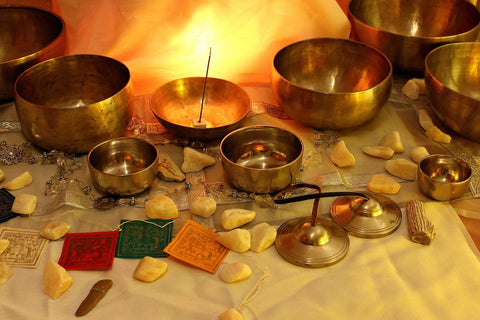
A selection of the singing bowls used
The selection of singing bowls used is as diverse as the cultural influences that shape these amazing instruments. Tibetan singing bowls, with their characteristic shape and alloy of various metals such as gold, silver, copper, and tin, are at the heart of many singing bowl therapies. They produce deep, resonant tones that contribute to relaxation and meditation.
- Himalayan singing bowls, known for their intricate engravings and special alloy, are another popular choice. Their clear sounds are often used to promote clarity and mental balance.
- Japanese rin gongs, with their clear and pure sound quality, are also incorporated into singing bowl therapies. Their meditative tones promote deep relaxation.
- The versatile crystal singing bowls are made of quartz and produce clear, vibrating tones. They are valued for their harmonious resonance.
This selection shows that singing bowls can come in different shapes and made of different materials, each type with unique tonal properties.
The fascinating effect of sound on the body
The fascinating effect of sound on the body unfolds as a harmonious symbiosis of sound waves and physiological reactions. Singing bowls not only produce pleasant tones but also release vibrations that have a profound effect on the human body. These vibrations penetrate the tissue and cells, stimulate the nervous system, and promote relaxation.
At the cellular level, the sound can reduce stress and tension, regulate blood pressure, and improve circulation. The resonance of the singing bowls also influences the flow of energy in the body, allowing blockages to be released. This process creates a balance that is noticeable not only on a physical but also on a mental and emotional level.
The fascinating effect of sound on the body illustrates how these vibrating tones are not only perceived as pleasant sounds, but also have a holistic effect that positively influences well-being and health.
The process of a singing bowl treatment
Here is an example of how the therapy might proceed; the steps may also differ depending on the treatment method:
Preparing the room
The singing bowl treatment begins with careful preparation of the room. This includes creating a calm and relaxed atmosphere, often with dim lighting and soothing music. The selection of the singing bowls and their placement play a crucial role here.
Introduction and objectives
Before the actual treatment begins, there is an introductory phase. The therapist and patient discuss the individual needs and goals for the session. This creates a personal connection and allows for a tailored approach.
Relaxation exercises and breathing work
To prepare the body for the singing bowls, relaxation exercises and breathwork are often incorporated. This helps calm the mind and focus on the upcoming singing bowl treatment.
Placement of the singing bowls on or around the body
The actual singing bowl treatment begins with the placement of the bowls on or around the body. The therapist selects bowls specifically tailored to the patient's individual needs. By gently striking, rubbing, or circling the bowls, harmonious sounds are created.
Experience vibration and resonance
As the singing bowls play, the patient experiences the vibrations and resonance directly on their skin and within their body. This experience can promote deep relaxation and a conscious awareness of their own body.
Rest and integration
After the singing bowl treatment, a period of rest follows, allowing the patient to integrate the impressions they have experienced. The therapist is available for discussion and, if necessary, supports reflection on the perceived effects.
The process of a singing bowl treatment is therefore structured, with each phase aiming to create a holistic and positive experience for the patient.
Areas of application of singing bowl therapy
The applications of singing bowl therapy are diverse and range from promoting mental health to supporting physical ailments. In psychology, singing bowl therapy is used to manage stress, reduce anxiety, and promote emotional balance. People with sleep disorders benefit from the soothing sounds, which can induce deeper sleep.
On a physical level, singing bowl therapy supports pain relief, especially from muscular tension. It can stimulate the body's energy flow and strengthen the immune system. Singing bowl therapy is used as a complementary method in rehabilitation after injury or illness. Its application also extends to palliative and hospice care, where it can provide comfort and relief. The diverse areas of application demonstrate how singing bowl therapy, as a holistic practice, can exert healing effects on both physical and emotional levels.
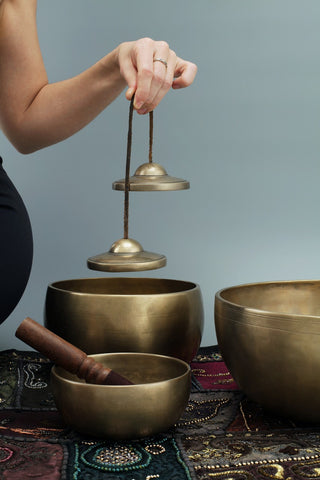
Individual suitability and limitations of singing bowl use
Individual suitability for singing bowl therapy is crucial, as not everyone benefits equally. People with an open attitude toward alternative therapies and an interest in sound can often have particularly positive experiences. However, individuals with acute mental illnesses or certain phobic tendencies should proceed with caution.
Limitations can also occur on a physical level, for example, with skin irritations or injuries that interfere with the direct placement of the singing bowls. People with specific hearing impairments should clarify in advance how the therapy can be adapted. Open communication between therapist and patient is fundamentally important to consider individual needs and potential limitations. Careful coordination ensures that the singing bowl treatment remains a positive and safe experience for each individual.
Summary and findings on singing bowl therapy
Singing bowl therapy reveals itself as a fascinating practice, grounded in centuries-old traditions and integrating modern healing approaches. By harnessing the harmonizing sounds of singing bowls, a profound effect is achieved on the human body, mind, and soul. From the history and process to the areas of application, it becomes clear how this form of therapy creates a holistic experience.
Individual suitability and possible limitations underscore the importance of conscious use tailored to each individual's needs. The selection of singing bowls, their targeted placement, and the creation of a relaxed atmosphere are of key importance.
Overall, singing bowl therapy opens up a space for self-discovery, relaxation, and healing. This comprehensive approach highlights how the fascinating effect of sound on the body not only represents a cultural tradition but also integrates contemporary approaches to promoting well-being and health.
Frequently asked questions (FAQ) about singing bowl healing
What does singing bowl therapy do?
Singing bowl therapy promotes relaxation, stress reduction, and emotional balance through the targeted application of harmonious sound vibrations. These have a profound effect on the body and mind, releasing blockages, improving circulation, and creating harmonious balance. The therapy can also improve sleep quality and concentration.
What happens during a singing bowl massage?
During a singing bowl massage, the therapist places singing bowls on or around the body. Through gentle striking or rubbing, they create harmonious sounds and vibrations that penetrate deep into tissue and cells. This promotes relaxation, releases tension, improves energy flow in the body, and creates a holistic experience of inner balance and well-being.
How much does singing bowl therapy cost?
The cost of singing bowl therapy varies depending on the location, duration, and therapist's experience. Typically, prices range between €50 and €150 per session. Some therapists also offer package deals. It's advisable to discuss individual pricing directly with the therapist.
Can singing bowls heal?
Singing bowls are considered supportive in promoting relaxation, stress reduction, and inner harmony. Although they should not be considered a sole remedy, singing bowls can have positive effects on well-being. Their therapeutic use can provide relief from various ailments and serve as part of a holistic approach to healing.


